Fuel Tanker Trailer Anti-Corrosion: Protecting Your Tank from the Inside Out
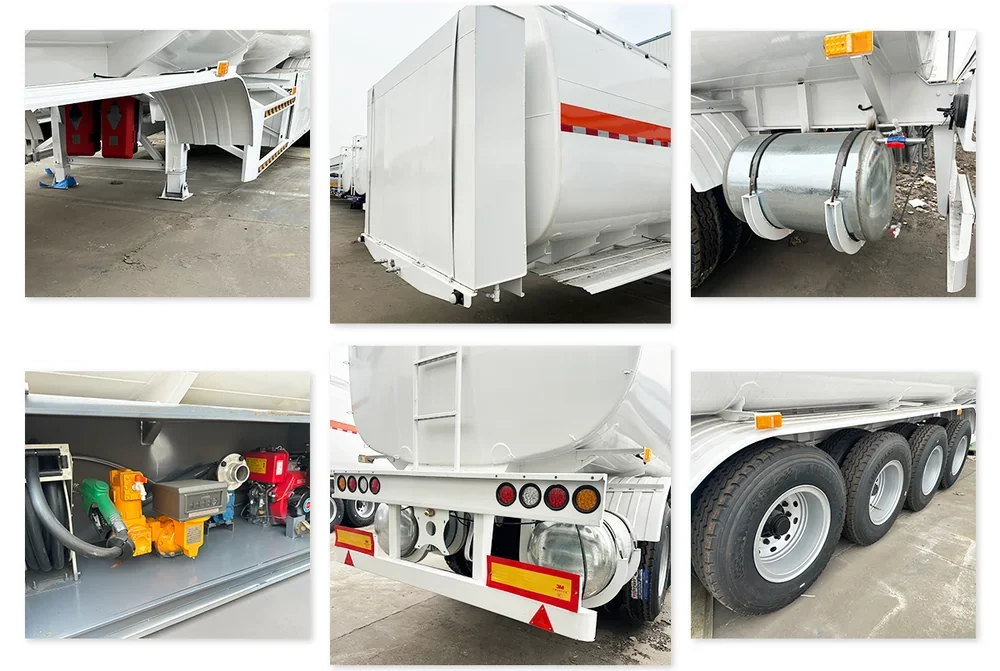
The Hidden Threat to Fuel Tanker Longevity
When fleet owners inspect fuel tanker trailers, visual assessments often focus on visible components: tyres, suspension, fifth wheel couplings, and external paintwork. However, the most destructive threat to a fuel tanker operates quietly out of sight. Corrosion—occurring both inside the vessel and on external chassis structures—is a leading cause of premature structural failure, product contamination, and costly environmental leaks.
Transporting liquid fuels like diesel, petrol, or industrial solvents exposes tankers to complex chemical environments. Combined with humidity, road salt, and harsh operating conditions across demanding routes, unmanaged corrosion can destroy a tanker’s resale value and operational compliance within a few short years. Protecting a fuel tanker trailer requires a comprehensive anti-corrosion strategy that covers both internal storage chambers and external structural points.
1. Internal Tank Corrosion: Causes and Solutions
It is a common myth that refined petroleum products protect steel from rusting. In reality, fuel tanks suffer significant internal degradation due to trace contaminants and environmental interactions:
The Real Causes of Internal Corrosion
Water Accumulation: Temperature fluctuations cause condensation inside the vapor space of the tank. Water is denser than fuel and settles at the bottom of the compartments. Over time, this creates a stagnant water pocket that rapidly rusts carbon steel shell plates.
Microbial Growth (Diesel Bug): Microorganisms thrive at the interface where water meets fuel. These microbes consume hydrocarbons and excrete acidic byproducts, causing severe localized pitting corrosion on bottom plates and seam welds.
Biofuel Blends: Modern fuels often contain ethanol or biodiesel additives. These compounds are hygroscopic (they absorb moisture from the air) and can become corrosive if left in long-term contact with bare metal.
Internal Protection Strategies
Epoxy Lining & Tank Coatings: Applying specialized fuel-resistant internal epoxy coatings shields bare metal from water and acidic deposits, preventing pit formation along seam welds.
Sump Drain Discipline: Equipping tanks with dedicated low-point drain valves allows operators to drain accumulated water prior to loading new fuel batches.
Vapor Recovery & Anti-Moisture Breathers: Modern sealed vapor systems limit moist outside air entering the tank during unloading cycles.
2. External Shell and Chassis Protection
While internal corrosion threatens fuel purity and structural shell integrity, external corrosion attacks the load-bearing framework, suspension mounts, and pipe manifolds.
High-Risk External Areas
Subframe and Outriggers: Road spray, gravel impacts, and mud accumulation strip away protective paint, exposing heavy-duty structural steel to rapid rusting.
Pipe Manifolds and Valves: Unprotected aluminum or carbon steel discharge valves can bind or leak due to road salt exposure and atmospheric oxidation.
Weld Joints and Baffles: Welding alters the metallurgical structure of steel. Without proper post-weld treatment, weld seams become primary targets for galvanic corrosion.
External Anti-Corrosion Standards
| Protection Type | Application Method | Key Benefit |
|---|---|---|
| Shot Blasting (Sa 2.5) | Abrasive cleaning before painting | Removes all mill scale and rust, ensuring maximum paint adhesion. |
| Zinc-Rich Epoxy Primer | Base-layer spray coating | Provides sacrificial galvanic protection to underlying steel. |
| Polyurethane Topcoat | High-gloss exterior finish | Resists UV degradation, chemical spills, and mechanical abrasion. |
| Hot-Dip Galvanizing | Molten zinc bath for chassis subframes | Delivers decades of maintenance-free rust resistance for heavy structures. |
3. Material Selection: Carbon Steel vs. Aluminum vs. Stainless Steel
Choosing the right tank material is the single most important anti-corrosion decision made prior to purchase:
Carbon Steel Tankers: Cost-effective and highly durable against impact. However, carbon steel requires strict internal lining and external multi-coat paint systems to prevent severe rusting.
Aluminum Alloy Tankers: Naturally corrosion-resistant due to a self-healing oxide layer. Aluminum eliminates internal rust contamination and reduces tare weight, making it ideal for standard petrol and diesel transport.
Stainless Steel Tankers (304 / 316L): The ultimate choice for aggressive chemicals, aviation fuels, or bio-fuels. Stainless steel offers total immunity to fuel-borne water and chemical corrosion, requiring zero internal linings.
4. Fleet Operator Maintenance Checklist
Extending the service life of your fuel tanker trailer involves consistent preventative procedures:
Daily Water Drainage: Crack open compartment low-point drain valves each morning to clear settled condensation before filling.
Routine Visual Shell Inspections: Check bottom belly plates and discharge manifolds for signs of blistering paint or surface rust.
Gasket and Seal Replacement: Inspect manhole cover seals, vapor valves, and flange gaskets regularly to prevent fuel seepage onto external painted surfaces.
Post-Spill Washdowns: Clean accidental fuel spillage around top manholes immediately. Prolonged fuel contact can soften inferior paint finishes and expose bare metal.
Conclusion
Corrosion control for fuel tanker trailers is not merely an aesthetic concern—it is a core safety requirement and financial investment protection. By specifying high-performance coatings, selecting appropriate shell alloys, and maintaining disciplined water drainage practices, fleet operators can prevent costly structural leaks, maintain fuel purity, and ensure maximum operational uptime.
For technical support, custom coating specifications, and official maintenance schedules for fuel tanker trailers, contact the Shandong Chengda engineering team.